Can Dental Implants Keep Up with Your Lifestyle? Exploring Long-Term Care for Active Australians
 Luca Jayden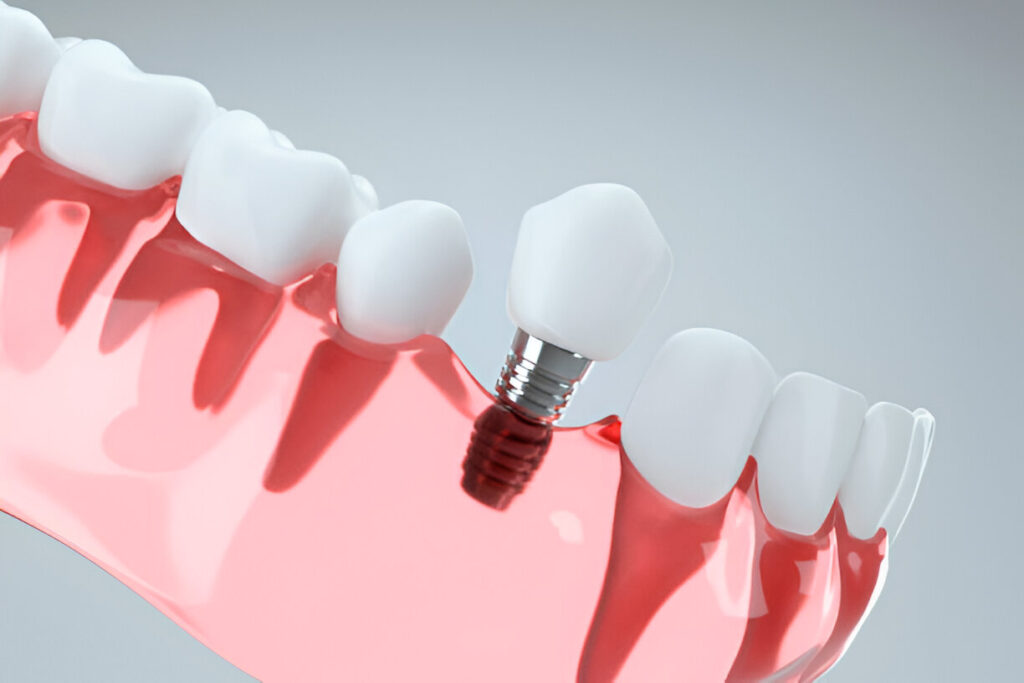
For many active Australians, health is not simply about avoiding illness. It is about maintaining the freedom to work, travel, exercise, socialise and enjoy food without constantly thinking about physical limitations. A confident smile can be part of that equation. When tooth loss enters the picture, however, everyday activities can suddenly require more consideration. Eating certain foods may feel uncomfortable, sporting activities can seem riskier, and even spontaneous social occasions may create self-consciousness.
Modern dentistry offers several ways to replace missing teeth, but long-term success depends on more than the procedure itself. For people with busy, active lifestyles, understanding how to care for a replacement tooth over the years can be just as important as choosing the treatment in the first place.
Built for Everyday Life, Not Just the Dental Chair
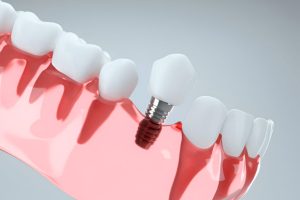
One of the appealing characteristics of dental implants is that they are designed to function as a stable tooth replacement rather than a removable appliance. An implant is typically anchored into the jawbone, where it can integrate with the surrounding bone through a biological process called osseointegration. A connector, known as an abutment, then supports a dental crown, bridge or other restoration.
This structure can provide a sense of stability that suits people who do not want their replacement teeth to interfere with everyday routines. Whether someone enjoys weekend cycling around Victoria, plays community sport in Queensland, hikes through Western Australia or simply has a demanding professional schedule, the objective is the same: reliable oral function that fits naturally into life.
Yet durability should never be confused with being maintenance-free.
An Active Lifestyle Still Needs a Maintenance Plan
A common misconception is that once an implant has healed successfully, it can be treated exactly like an indestructible natural tooth. In reality, the surrounding gums and bone remain biological tissues and can develop problems if oral hygiene is neglected.
Daily brushing, cleaning between teeth and professional dental examinations remain important. Depending on the individual’s circumstances, an oral health professional may recommend specialised brushes, interdental cleaners or other tools to keep difficult-to-reach areas clean.
For active Australians, consistency can be more valuable than complexity. A practical routine that fits around work, training and travel is more likely to become a lasting habit than an elaborate system that is difficult to maintain.
Sport, Travel and the Reality of Daily Wear
Physical activity does not automatically make tooth replacement unsuitable. However, contact sports deserve particular attention. A strong blow to the mouth can damage natural teeth, implant-supported restorations or the surrounding tissues. Wearing an appropriately fitted mouthguard can help reduce the risk of dental trauma during activities where facial impacts are possible.
Travel presents a different challenge. Long-distance trips can disrupt normal dental routines, while remote holidays may make professional treatment difficult to access. Before an extended journey, it can be sensible to ensure that routine dental care is up to date and that any developing concerns have been addressed.
Good preparation becomes especially valuable when travelling through rural or remote parts of Australia, where access to dental services may be less immediate than in major metropolitan areas.
The Importance of Protecting the Surrounding Tissues
An implant itself does not develop tooth decay in the same way a natural tooth does. However, the tissues surrounding it can still become inflamed or infected. Peri-implant diseases, including peri-implant mucositis and peri-implantitis, are important concerns because inflammation can affect the tissues supporting an implant.
Smoking, inadequate oral hygiene and a history of periodontal disease can increase the complexity of maintaining healthy tissues around an implant. Regular professional monitoring allows changes to be identified before they potentially become more difficult to manage.
This is where long-term care becomes more than simply keeping the replacement tooth looking clean. The real goal is preserving the biological environment that allows the restoration to remain functional.
When Lifestyle Changes, Care Should Adapt Too
People’s lifestyles rarely remain exactly the same for decades. Someone might move from competitive sport into recreational fitness, take up endurance cycling, travel more frequently after retirement or develop new dietary habits.
The maintenance strategy for dental implants should therefore be viewed as adaptable rather than fixed.
Changes such as teeth grinding, altered medication use, gum problems or significant changes in general health may influence oral care needs. Regular dental reviews provide an opportunity to reassess the condition of the implant, restoration, gums and surrounding bone.
The restoration itself may also eventually require maintenance or replacement. Although implant-supported restorations can be long-lasting, no dental component should be regarded as guaranteed to last forever. Longevity depends on factors such as oral hygiene, biting forces, overall health, smoking status, professional care and the quality and design of the restoration.
A Long-Term Investment in Everyday Confidence
The real measure of successful tooth replacement is not simply how the smile looks immediately after treatment. It is how comfortably that smile continues to function as life evolves.
For active Australians, that can mean being able to enjoy a barbecue with friends, participate in weekend sport, travel interstate, attend important occasions or simply eat favourite foods with greater confidence. Those ordinary experiences are precisely why long-term planning matters.
A thoughtful approach combines professional assessment, appropriate treatment planning, consistent home care and regular maintenance. Rather than seeing implant treatment as the end of dental care, it is more useful to consider it the beginning of a long-term relationship with oral health.
For individuals with significant bone loss, complex anatomy or other challenging treatment requirements, advances in digital planning, imaging and implant techniques have also expanded the possibilities for personalised care. In carefully selected situations, modern implant dentistry can be a game-changer for complex cases.
Ultimately, keeping up with an active lifestyle is not about expecting a dental restoration to withstand everything without attention. It is about giving it the right foundation, protecting the surrounding tissues and maintaining it intelligently over time. With that approach, a replacement tooth can become less something to think about—and more something that simply becomes part of living life.