More Than Cosmetic: Why Dental Crowns Can Become Part of a Modern Australian Approach to Long-Term Oral Health
 Luca Jayden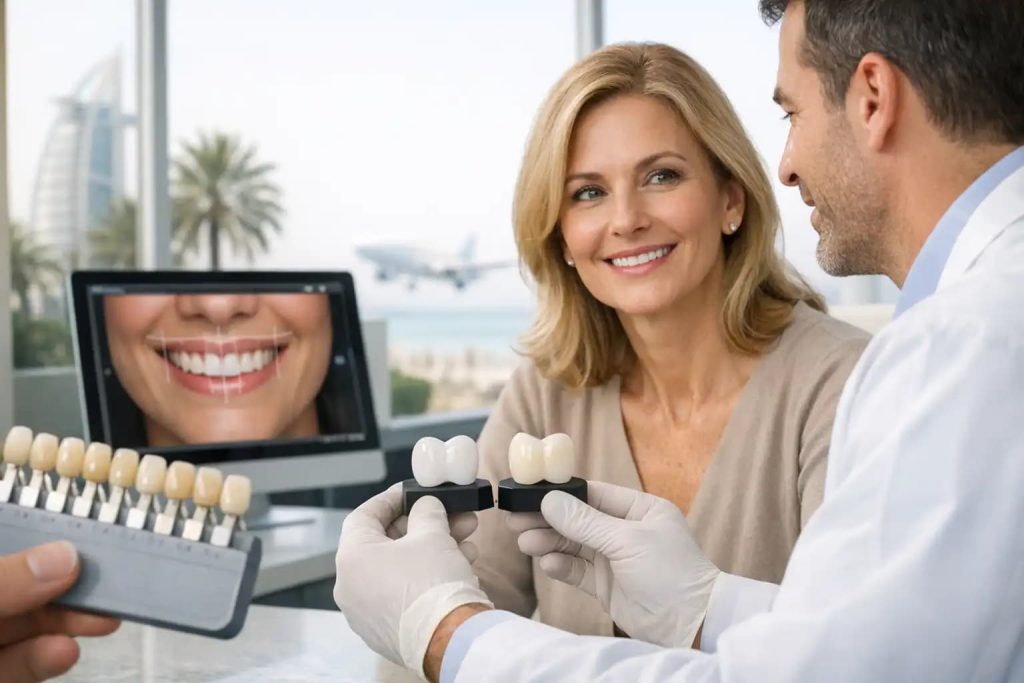
A healthy smile is often imagined as something that should simply look good. Straight teeth, balanced proportions and a natural-looking shade have become familiar markers of contemporary dentistry, but oral health is far more complicated than appearance alone. A tooth can look acceptable while quietly becoming weaker, more vulnerable to fracture or increasingly difficult to maintain.
This is where dental crowns occupy an interesting place in modern dentistry. They are not merely decorative coverings designed to improve the appearance of a tooth. When clinically appropriate, a crown can restore structure, protect a compromised tooth and help preserve the function of the bite. In Australia, where preventive and restorative dentistry increasingly intersect with personalised care, crowns can form part of a broader philosophy: protect what remains, restore what has been damaged and make long-term oral health easier to maintain.
When a Tooth Needs More Than a Filling
Dental fillings remain an important way of repairing teeth affected by decay or minor structural damage. Yet there are circumstances where a filling may not provide enough support. A tooth that has experienced extensive decay, a large restoration, trauma or root canal treatment may have lost a significant amount of its natural structure.
In these situations, simply making the tooth look complete does not necessarily address its underlying weakness.
A dental crown surrounds and protects the remaining tooth structure, creating a restoration designed to withstand everyday forces such as chewing and biting. Its purpose is therefore both restorative and protective. Rather than replacing the tooth unnecessarily, a crown can sometimes help preserve the natural tooth for longer.
That distinction matters. Modern dentistry increasingly aims to conserve natural teeth whenever they can be predictably restored and maintained.
The Marriage of Function and Aesthetics
One of the most significant changes in restorative dentistry is that patients no longer have to choose between strength and appearance. Contemporary dental materials can be designed to closely resemble natural tooth structure, allowing dentists to consider colour, translucency, shape and bite alongside durability.
This is particularly relevant for teeth that are visible when smiling. A crown should not simply fill a gap in the mouth; ideally, it should integrate with the surrounding teeth and contribute to a harmonious smile.
Technology has also changed how some crowns are planned and produced. Digital impressions, computer-aided design and chairside manufacturing can streamline aspects of the restorative process. For suitable cases, CEREC dental crowns can allow a tooth restoration to be digitally designed and manufactured with computer-assisted technology, potentially reducing the number of appointments required compared with some traditional crown workflows.
However, technology should never become the treatment itself. A sophisticated scanner or milling system cannot replace diagnosis, clinical judgement or an understanding of the patient’s individual oral health. The most valuable innovation is technology used intelligently—not technology used simply because it is available.
A Crown Is Not a Substitute for Prevention
Perhaps the most important misconception about crowns is that they represent a permanent solution to every dental problem. They do not.
A crown restores and protects a tooth, but the tooth and surrounding tissues remain part of the biological environment of the mouth. Decay can still develop around restoration margins if oral hygiene is poor. Gum disease can continue to affect the supporting tissues. Excessive grinding or an unstable bite can place additional stress on a restoration.
This is why long-term crown success depends on more than the quality of the crown itself.
Regular dental examinations, professional cleaning when indicated, effective brushing, interdental cleaning, appropriate dietary habits and attention to conditions such as teeth grinding can all contribute to protecting restored teeth. A crown should be understood as one component of an ongoing oral-health strategy rather than the conclusion of treatment.
The Australian Perspective: Personalised, Practical Dentistry
Modern Australian dentistry is increasingly shaped by the idea that treatment should be tailored to the individual rather than dictated by a one-size-fits-all formula. Age, lifestyle, oral hygiene, previous dental treatment, bite forces, aesthetic expectations and future dental needs can all influence restorative decisions.
For one patient, monitoring a damaged tooth may be appropriate. For another, a filling may provide sufficient restoration. For someone with substantial structural loss, a crown may offer a more protective solution.
The key question is therefore not simply, “Will a crown make my tooth look better?” It is, “What will help this tooth remain functional, healthy and maintainable for as long as reasonably possible?”
That shift in thinking turns restorative dentistry into something more meaningful. The objective is not to manufacture perfection. It is to create a practical balance between biology, function, aesthetics and longevity.
Protecting the Future of Your Smile
Every natural tooth carries a history. It may have survived years of chewing, previous fillings, accidents, dietary habits and changes in oral health. Restoring it is therefore not just an aesthetic exercise; it can be an opportunity to protect what remains.
Dental crowns can be valuable when they are prescribed for the right clinical reasons and supported by good long-term care. Their greatest contribution may be less visible than their appearance: helping a weakened tooth function confidently while reducing the risk that further damage will compromise it.
Ultimately, modern restorative dentistry is moving beyond the idea that a beautiful smile and a healthy smile are separate ambitions. The best treatment decisions consider both.
Whether the solution involves a filling, crown, preventive care or another restorative approach, the goal should remain the same: a treatment that is right for your smile, your oral health and your future—not simply the treatment that looks impressive today.