 Luca Jayden
The human body and mind do not operate as separate entities. Instead, they function as an intensely interconnected biological network where the health of one directly dictates the performance of the other. Chronic psychological stress can manifest physically as gastrointestinal distress, muscle tension, and a weakened immune system. Conversely, physical neglect through a poor diet or a lack of movement can lead to mental fog, mood disorders, and cognitive decline.
In a fast paced world filled with constant digital distractions and demanding schedules, it is easy to fall into fragmented habits that treat health as a series of isolated problems. True wellness requires a holistic approach built upon structured daily routines. Routines remove the mental fatigue of decision making, turning positive health choices into automatic behaviors.
By designing integrated morning, afternoon, and evening routines that target both physical and psychological needs, you can cultivate systemic resilience and sustain high level function across your entire lifespan.
The Architecture of an Intentional Morning Routine
The first hour of your day sets the biological and psychological trajectory for the remaining waking hours. Waking up abruptly and immediately checking a smartphone floods the brain with cortisol, the primary stress hormone, while forcing the mind into a reactive state dictated by external notifications, emails, and news.
An intentional morning routine focuses on stabilizing your nervous system and preparing your body for optimal performance.
Embracing Natural Sunlight and Hydration
Before consuming caffeine or looking at a screen, your priority should be environmental alignment and hydration. During sleep, the body naturally loses a significant volume of fluids through respiration and sweat. Drinking a large glass of filtered water immediately upon waking replenishes cellular fluid balance, fires up your metabolism, and aids in the structural elimination of cellular waste.
Simultaneously, exposing your eyes to direct, natural outdoor sunlight within the first hour of waking is vital for regulating your internal biological clock. This natural light exposure stimulates the cells in your retina to signal the master clock in your brain to stop producing melatonin, the hormone responsible for sleepiness. It triggers a healthy, natural spike in morning cortisol, which boosts alertness, enhances mood, and programs your brain to release melatonin at the correct time later that night for deep sleep.
Cultivating Mental Clarity Through Stillness
Once the body is hydrated and aligned with the natural light cycle, dedicating even ten minutes to mental stillness can fundamentally change how you handle daily stress. This stillness can take the form of breathwork, structured meditation, or expressive journaling.
- Box Breathing: Inhaling for four seconds, holding for four seconds, exhaling for four seconds, and holding empty for four seconds. This pattern balances the autonomic nervous system, moving you away from a sympathetic fight or flight state and into a parasympathetic state of calm focus.
- Journaling: Writing down a few objective goals or logging things you appreciate shifts your brain away from its natural negativity bias, training your mind to focus on constructive, positive outcomes throughout the day.
Midday Strategies to Prevent Mental Fatigue and Physical Stiffness
Many people start their day strong but experience a massive drop in productivity, physical energy, and mental clarity between the hours of one and four in the afternoon. This midday slump is often caused by poor glucose management, prolonged physical immobility, and cognitive overload.
Smart Nutrition for Stable Energy
The standard modern lunch frequently consists of refined carbohydrates, processed sugars, and unhealthy fats that cause a rapid spike in blood glucose followed by a sharp crash. To maintain a sharp mind and physical stamina throughout the afternoon, your midday meal must focus on nutrient dense whole foods.
Prioritize a clean lean protein source, such as grilled chicken, wild fish, or baked tofu, alongside an abundance of fibrous non starchy vegetables and healthy monounsaturated fats like avocado or extra virgin olive oil. Protein and healthy fats take longer to digest, providing a slow, sustained release of fuel into your bloodstream without triggering an insulin surge that leaves you feeling groggy and seeking artificial stimulants.
The Power of Movement Breaks
Sitting stationary at a desk for several hours straight reduces vascular circulation, tightens the hip flexors, deactivates the gluteal muscles, and strains the cervical spine. To combat this, implement a movement routine every ninety minutes.
Set a simple timer to remind yourself to stand up, stretch your chest and hamstrings, or take a quick five minute walk around your environment. This brief physical activity increases blood flow to the brain, delivers a fresh supply of oxygen to your tissues, and resets your physical posture, effectively clearing out mental fog without the need for an extra cup of coffee.
Crafting an Evening Routine for Deep Restoration
Just as the morning routine is about gradual activation, the evening routine must focus entirely on decompression and physiological wind down. High quality sleep is the ultimate foundation of health; during deep sleep, your brain clears out metabolic waste products, your muscles repair cellular damage, and your memories are consolidated.
Eliminating Artificial Blue Light
Modern electrical environments present a major challenge to natural sleep architectures. The blue light emitted by televisions, computers, smartphones, and bright overhead LED bulbs mimics the spectrum of noon sunlight.
When you look at these screens late into the evening, your brain assumes it is still daytime and actively suppresses the production of melatonin. To protect your sleep quality, eliminate or dramatically dim your exposure to artificial blue light at least two hours before your intended sleep time, or utilize dedicated blue light blocking glasses to minimize the neurological disruption.
Cultivating a Sensory Sleep Sanctuary
Your physical bedroom environment should signal to your autonomic nervous system that it is safe to rest. Human biology is programmed to sleep in conditions that mirror a cool, dark cave.
- Temperature Control: Lower your thermostat to a temperature between sixty five and sixty eight degrees Fahrenheit. The human body must experience a drop in core temperature to initiate and maintain deep sleep stages.
- Blackout Environments: Use blackout curtains or a comfortable eye mask to eliminate external ambient light from streetlights or electronics, ensuring your pineal gland can produce melatonin continuously.
Frequently Asked Questions
Can taking a cold shower in the morning truly impact long term mental health?
Exposing the body to cold water for two to three minutes triggers a significant and prolonged release of dopamine and norepinephrine in the brain. This chemical surge increases alertness, improves mood, and enhances focus for several hours, while simultaneously building psychological resilience by forcing you to manage a minor physical stressor deliberately.
Why does consuming caffeine immediately upon waking cause an afternoon crash?
When you wake up, your brain is still clearing out adenosine, a chemical that builds up during the day to make you feel sleepy. Caffeine molecules work by blocking adenosine receptors. If you drink coffee immediately, you block those receptors while adenosine continues to accumulate. Once the caffeine wears off in the afternoon, the accumulated adenosine floods your system all at once, causing a severe energy crash.
How does the practice of daily reading benefit the aging brain?
Engaging in regular reading serves as an active cognitive workout that strengthens neural connectivity. It challenges your working memory, expands vocabulary, and exercises analytical skills, which helps preserve cognitive reserve and significantly lowers the long term risk of age related mental decline and dementia.
Is it harmful to exercise intensely late in the evening as part of a routine?
High intensity workouts elevate your core body temperature, raise your heart rate, and stimulate the release of adrenaline and cortisol. Because your body requires a lower core temperature and decreased stress hormones to fall into deep sleep, intense evening exercise can disrupt your sleep cycle. It is generally best to stick to gentle yoga or light walking at night.
What is digital detoxification and how does it support mental health?
Digital detoxification involves intentionally stepping away from all digital devices for a designated period, such as an entire weekend afternoon. This break interrupts the constant dopamine seeking loop triggered by social media notifications and endless scrolling, which reduces underlying anxiety, improves your attention span, and allows your nervous system to fully reset.
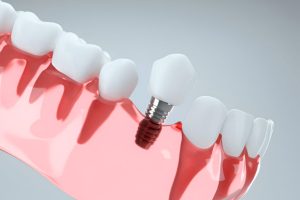
How do missing teeth or poor oral hygiene routines affect overall body health?
Poor oral hygiene allows systemic pathogenic bacteria to multiply inside the mouth, eventually entering the bloodstream through inflamed gum tissues. This bacterial migration can trigger chronic low grade inflammation throughout the cardiovascular system, increasing the long term risk of arterial plaque buildup and heart disease.