 Luca Jayden
The human body operates as a highly integrated system where physical movement, nervous system function, and internal organ health are deeply intertwined. In modern wellness practices, yoga is frequently celebrated for its ability to increase flexibility and calm the mind. However, its biological impact extends far deeper into the core mechanics of human physiology.
Two of the most profound benefits of a consistent yoga practice are the optimization of the digestive system and the systematic reduction of chronic physical discomfort. By combining targeted physical postures, intentional breath control, and structural alignment, yoga addresses the root mechanical and neurological causes of gastrointestinal distress and bodily pain.
The Neurological Connection Between Stress and Digestion
To understand how yoga improves digestion, it is necessary to examine the autonomic nervous system. This system is divided into two primary branches: the sympathetic nervous system, often referred to as the fight-or-flight response, and the parasympathetic nervous system, known as the rest-and-digest state.
When an individual experiences psychological stress or physical anxiety, the sympathetic nervous system takes dominance. Blood flow is diverted away from the internal organs, including the stomach and intestines, and directed toward the major muscle groups to prepare the body for immediate action. While this mechanism is vital for survival, chronic activation of the stress response leads to severe digestive issues. Prolonged sympathetic dominance slows down gastrointestinal motility, inhibits the secretion of essential digestive enzymes, and alters the gut microbiome, resulting in symptoms like bloating, acid reflux, cramping, and irregular bowel movements.
Yoga acts as a direct off-switch for this chronic stress response. Through slow, rhythmic breathing and deliberate physical movements, yoga stimulates the vagus nerve. The vagus nerve is the primary component of the parasympathetic nervous system, running from the brainstem down through the thorax and abdomen. Activating the vagus nerve lowers the heart rate, reduces blood pressure, and restores optimal blood flow to the digestive tract. With the body securely anchored in a parasympathetic state, the salivary glands, stomach, and intestines can efficiently break down nutrients, absorb vital vitamins, and eliminate waste without obstruction.
Mechanical Stimulation of the Digestive Tract
Beyond its profound effects on the nervous system, yoga offers direct mechanical benefits to the digestive organs. Many specific yoga postures involve gentle twisting, forward bending, and abdominal compression. These movements act as an internal massage for the gastrointestinal tract.
When performing a twisting posture, the abdominal organs are temporarily compressed, which restricts blood flow to the area for a brief moment. Upon releasing the twist, a fresh surge of highly oxygenated blood rushes back into the stomach, liver, pancreas, and intestines. This process, often referred to as the squeeze-and-release effect, helps to vitalize cellular function and speed up the elimination of cellular waste.
- Twisting Postures: Poses such as seated or supine spinal twists gently compress the ascending and descending colons, aiding in the physical movement of food and waste through the digestive tract to alleviate constipation.
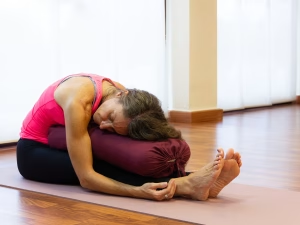
- Forward Bends: Postures that fold the torso over the legs apply gentle pressure to the abdominal cavity, which can help dispel trapped gas and reduce the painful distension associated with bloating.
- Inversions: Changing the relationship of the body to gravity, even slightly as in a supported bridge pose, helps shift the physical pressure off the lower abdominal organs, encouraging healthy circulation and lymphatic drainage.
This physical manipulation keeps the smooth muscles of the digestive system toned and active, directly supporting peristalsis, which is the involuntary wave-like muscle contractions that move food through the digestive pipeline.
Alleviating Physical Discomfort Through Structural Realignment
Physical discomfort in the modern world is frequently caused by muscular imbalances, poor postural habits, and sedentary lifestyles. Prolonged sitting tightens the hip flexors, weakens the glutes, and rounds the shoulders forward, creating chronic strain on the lower back, neck, and shoulders.
Yoga addresses these structural issues by combining active strengthening with passive lengthening. Unlike repetitive fitness routines that target isolated muscle groups, yoga emphasizes functional, full-body movement patterns. This holistic approach helps to balance the body across all anatomical planes.
- Decompressing the Spine: Axial extension, or the lengthening of the spine found in poses like downward-facing dog, increases the space between intervertebral discs. This decompression relieves pressure on spinal nerves, significantly mitigating lower and upper back pain.
- Releasing Chronic Tension: Postures that hold muscles in a stretched state for extended periods facilitate myofascial release. Fascia is the connective tissue matrix wrapping around muscles; when it becomes tight or inflamed, it causes deep, aching pain. Yoga relaxes this tissue, restoring fluid mobility.
- Strengthening Core Stabilizers: Many balance poses require deep activation of the transverse abdominis and pelvic floor. A strong core acts as a natural corset for the lower back, stabilizing the pelvis and reducing the physical load placed on the lumbar spine during daily activities.
By correcting the fundamental alignment of the skeletal framework, yoga removes the uneven structural wear-and-tear that generates localized physical pain.
Downregulating Inflammatory Pathways
Chronic pain and digestive disorders such as Irritable Bowel Syndrome are heavily driven by systemic inflammation. When the body is under constant physical or emotional strain, it releases high levels of cortisol and pro-inflammatory cytokines. This state of low-grade inflammation damages the lining of the gut, increases pain sensitivity, and stiffens joint tissues.
Regular yoga practice has been scientifically shown to lower baseline markers of inflammation, such as C-reactive protein. The combination of physical movement and mindfulness helps regulate the endocrine system, balancing cortisol production. When cortisol levels are stabilized, the body can transition out of a defensive inflammatory state and enter a reparative phase. For the digestive system, this means a reduction in the hypersensitivity of the gut lining. For the musculoskeletal system, it translates to less joint irritation, reduced muscle soreness, and a higher overall pain tolerance.
Frequently Asked Questions
How long after eating a meal should I wait before practicing yoga for digestion?
It is highly recommended to wait at least two to three hours after a full meal before practicing yoga. Because many yoga postures involve abdominal compression, twisting, and inversions, practicing on a full stomach can disrupt the natural breakdown of food, leading to nausea, acid reflux, or cramping. If you experience acute bloating right after eating, limit your movement to very gentle breathing exercises or a passive, upright seated posture rather than a vigorous physical sequence.
Can yoga provide immediate relief for acute lower back pain or will it worsen the condition?
The effect of yoga on acute lower back pain depends entirely on the style of practice and the underlying cause of the pain. Gentle, restorative movements that focus on passive stretching and pelvic tilts can provide immediate relief by releasing muscle spasms and improving blood flow. However, aggressive bending, deep twisting, or forcing the body into advanced postures during an acute flare-up can aggravate nerve compression or muscle strains. Always modify poses and avoid any movement that creates a sharp or shooting sensation.
How exactly does deep abdominal breathing in yoga improve bowel regularity?
Deep abdominal breathing, or diaphragmatic breathing, physically moves the diaphragm muscle downward into the abdominal cavity on every inhalation. This downward movement creates a rhythmic pressure change that gently massages the stomach and intestines. This physical stimulation prompts the nervous system to trigger peristalsis, the muscular contractions needed for regular bowel movements, while simultaneously lowering stress hormones that cause intestinal tight-necking.
Is there a specific time of day that is best to practice yoga to maximize digestive benefits?
Practicing yoga in the early morning on an empty stomach is generally considered optimal for stimulating the digestive system. A morning practice awakens the gastrointestinal tract, encourages healthy elimination, and sets a baseline of parasympathetic dominance for the rest of the day. However, a gentle, restorative yoga session in the evening can also be highly beneficial, as it helps release the physical and mental tension accumulated throughout the day, preparing the body for a night of deep, restorative sleep and digestion.
Can individuals with severe joint conditions like osteoarthritis safely use yoga to reduce physical discomfort?
Yes, individuals with osteoarthritis can safely practice yoga, provided the practice is modified to fit their mobility levels. Yoga is a low-impact form of exercise that helps lubricate the joints by stimulating the production of synovial fluid. Building strength in the muscles surrounding arthritic joints provides better structural support, which minimizes pain. Utilizing props such as blocks, straps, and chairs can help individuals experience the therapeutic benefits of yoga without placing excessive strain on sensitive joints.
Why do some people experience temporary stomach noises or increased gas during a yoga session?
Stomach noises, gurgling, and the passing of gas during a yoga class are completely normal signs that the body is transitioning out of a stressed state and into a relaxed, parasympathetic state. The physical twisting and compression of the abdomen mechanically move trapped air through the intestines, while the relaxation of the pelvic floor and sphincter muscles allows the gas to escape. These occurrences are evidence that the practice is successfully stimulating gastrointestinal motility.
How does yoga help reduce the frequency and intensity of tension headaches?
Tension headaches are frequently caused by chronic tightness in the upper back, shoulders, and neck, which restricts blood flow and irritates localized nerves. Yoga effectively targets this issue by stretching the trapezius and levator scapulae muscles while strengthening the postural muscles of the middle back. By reducing the physical tension in the upper upper torso and lowering overall psychological stress, yoga removes the primary structural and neurological triggers of tension headaches.