 Luca Jayden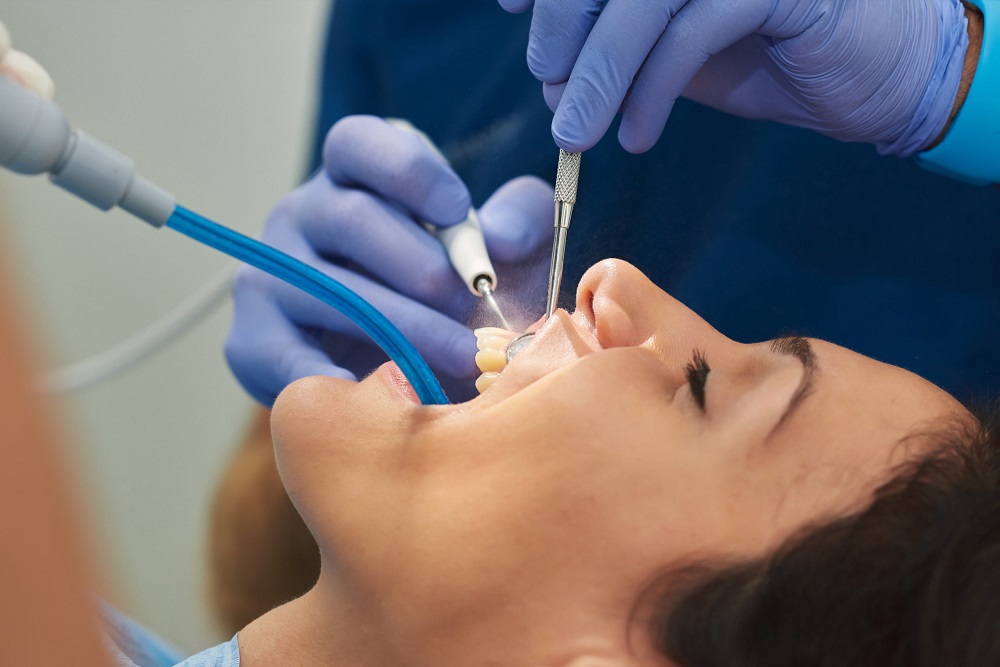
Dental care has undergone a massive paradigm shift. For decades, the standard approach to treating issues like cavities or gum disease relied heavily on aggressive intervention. If a tooth had a small amount of decay, dentists routinely drilled away a significant portion of the surrounding healthy enamel just to ensure the cavity was fully cleared and the filling had a mechanical hold. Today, modern dentistry prioritizes conservation over extraction.
This philosophy is known as minimally invasive dentistry. It focuses on treating dental issues using the least amount of tissue damage possible. By combining advanced diagnostic tools, cutting edge materials, and localized treatments, dental professionals can now protect your natural smile while dramatically reducing the discomfort, time, and anxiety traditionally associated with dental visits.
Understanding the core advantages of these conservative techniques reveals why they have become the gold standard for patient care.
Maximum Preservation of Natural Tooth Structure
Your natural teeth are irreplaceable. While modern dental implants and crowns are highly advanced, they cannot perfectly replicate the complex biomechanical properties of natural enamel and dentin. Enamel is the hardest tissue in the human body, designed to withstand immense biting pressure over a lifetime.
Minimally invasive dentistry operates under the principle that healthy tooth structure should never be sacrificed needlessly. Traditional cavity preparations often required creating specific geometric shapes inside the tooth so that metal amalgam fillings would stay in place. This meant removing healthy tissue along with the decayed matter.
In contrast, conservative methods use advanced adhesive materials, such as composite resins and glass ionomers. These materials bond directly to the tooth on a microscopic level. Because the filling sticks to the tissue chemically, the dentist only needs to remove the actual decayed portion of the tooth. Preserving this healthy enamel keeps the structural integrity of the tooth intact, making it far less likely to fracture under pressure in the future.
Enhanced Patient Comfort and Reduced Anxiety
Dental anxiety keeps millions of people away from the dentist each year. A large portion of this fear stems from the sights, sounds, and sensations of traditional treatments, specifically the high speed dental drill and the local anesthetic needles required to numb the pain caused by aggressive drilling.
Minimally invasive options drastically lower the discomfort of dental procedures. Techniques such as air abrasion and dental lasers have replaced the drill for many common treatments. Air abrasion works by spraying a fine stream of microscopic aluminum oxide particles to gently mist away decay without generating heat, vibration, or sound.
Because these technologies target only the damaged cells and do not irritate the thermal receptors inside the nerve of the tooth, many procedures can be performed completely anesthesia free. Patients no longer have to endure the stress of an injection or live with a numb face for hours after their appointment.
Longevity and the Prevention of the Dental Cycle
Every time a tooth undergoes a traditional dental procedure, it enters what dentists call the restorative cycle. A small filling eventually wears out and needs replacement. When it is replaced, more tooth structure is removed, requiring a larger filling. Over time, that large filling turns into an inlay, then a crown, followed potentially by a root canal, and eventually, tooth loss.
Minimally invasive procedures aim to break this cycle early. By keeping interventions as small as possible, the structural lifespan of the tooth is extended by decades.
- Early Intervention: Using high tech tools like digital radiographs and fiber optic transillumination, dentists catch decay before it breaks through the outer enamel layer.
- Remineralization: When caught early enough, cavities do not even require a filling. Instead, topical therapies like silver diamine fluoride or high concentration calcium phosphate can reverse early decay by chemically rebuilding the enamel minerals.
- Micro Restorations: If a restoration is required, keeping it microscopic leaves the tooth strong enough to resist future fractures, ensuring that subsequent repairs, if ever needed, remain minor.
Faster Healing and Recovery Times
Aggressive dental surgeries that require deep incisions, extensive bone removal, or stitching naturally demand long recovery periods. Minimally invasive oral surgery leverages specialized technology to minimize trauma to the surrounding soft and hard tissues.
A prime example is the use of dental lasers for periodontal therapy. When treating gum disease, traditional surgery requires a periodontist to cut back the gum tissue to scrape clean the root surfaces. This often leads to gum recession and post operative pain.
With dental lasers, the light energy specifically targets and vaporizes only the diseased pocket tissue and bacteria, leaving healthy gums completely untouched. The laser simultaneously cauterizes blood vessels and seals nerve endings. As a result, there is minimal bleeding, virtually no swelling, and patients typically return to their normal routines immediately without needing prescription pain medication.
Cost Effectiveness Over Time
A common misconception is that advanced technological treatments are prohibitively expensive. While the initial cost of a minimally invasive procedure might be comparable to or slightly higher than a traditional treatment due to the specialized equipment involved, it saves significant money in the long run.
Major dental work like root canals, custom porcelain crowns, and dental bridges are expensive investments. By preserving the natural tooth structure early through non invasive options, you avoid the need for these complex multi step procedures later in life. Furthermore, treatments like remineralization therapies or preventive sealants cost a fraction of what a standard filling costs, making conservative care highly economical for families.
Top Technologies Driving Conservative Dentistry
The success of modern conservative dental care relies heavily on specialized diagnostic and therapeutic tools that allow for extreme precision.
- Digital Biomarkers and Caries Detection Lasers: Handheld devices use fluorescence technology to measure the density of tooth structures, allowing clinicians to spot hidden decay lurking beneath the surface long before it is visible to the naked eye or on standard X-rays.
- Biomimetic Materials: Modern dental composites are designed to mimic the natural expansion, contraction, and flexibility of real teeth, reducing internal stress on the tooth structure.
- Ozone Therapy: Applying medical grade ozone gas to a tooth kills 99.9 percent of decay causing bacteria within seconds, sterilizing the area completely without removing any physical tissue.
Frequently Asked Questions
Can all cavities be treated with minimally invasive methods?
No. Minimally invasive methods rely on having enough healthy tooth structure left to preserve. If a cavity has been ignored for a long time and has destroyed a major portion of the tooth, traditional crowns or root canals may still be necessary to restore function.
Is silver diamine fluoride safe for adult patients?
Yes, it is entirely safe and highly effective for adults, especially for stopping decay on exposed root surfaces or in hard to reach areas. However, it does leave a permanent dark stain on the decayed portion of the tooth, so it is usually reserved for back teeth or areas that are not visible when smiling.
Do insurance plans cover laser and air abrasion treatments?
Most dental insurance policies cover the procedure itself based on the specific treatment code rather than the tool used. For instance, a filling is covered regardless of whether it was prepared with a drill or air abrasion. It is always wise to verify individual plan benefits with your provider.
How long do biomimetic composite restorations last compared to silver fillings?
When placed using precise moisture control and bonding techniques, modern biomimetic composite restorations can last just as long as, or longer than, traditional silver amalgam fillings, typically between ten to fifteen years, while placing far less structural stress on the tooth.
Why do some dentists still prefer to use the traditional drill?
Adopting minimally invasive techniques requires significant investment in advanced equipment and specialized ongoing training. Dentists who have practiced traditional methods successfully for decades may choose to stick with the techniques and mechanical tools they are most accustomed to using.
Is ozone therapy painful for sensitive teeth?
Ozone therapy is completely painless. The treatment involves placing a soft customized rubber cap over the tooth to deliver the gas safely. There is no scraping, pressure, or heat generated, making it an excellent option for individuals with severe tooth sensitivity.